
Fire Pit Table Design Considerations
Your fire pit table is more than a source of warmth—it’s the focal point of your outdoor space. Proper design considers table type, burner layout, fire media layering, and aesthetic balance. While quick makeovers can refresh a table, understanding different table heights, flame beds, and product properties ensures your design is both beautiful and functional.
Designing a fire pit table is about more than choosing a table — it’s about creating a centerpiece that is safe, functional, and visually stunning. The fire media you select, from fire glass to fire stones, fiber balls, and embers, plays a critical role in both the aesthetic appeal and overall safety of your fire feature.
Whether you’re planning a freestanding dining table, a chat-height conversation table, or a linear built-in fire table, understanding the unique considerations of each type ensures your design complements the space and meets practical needs.
This guide walks you through table types, media options, and design considerations, helping you make informed decisions. By the end of this page, you’ll have the insight to select the right media, position it effectively, and create a fire pit table display that is both beautiful and safe.
Types of Fire Pit Tables
There are several different types of Fire Pit Tables, and while there are no hard and fast rules, there are a few suggestions based on the intended function of the fire pit table as well as the size and shape of the flame bed.
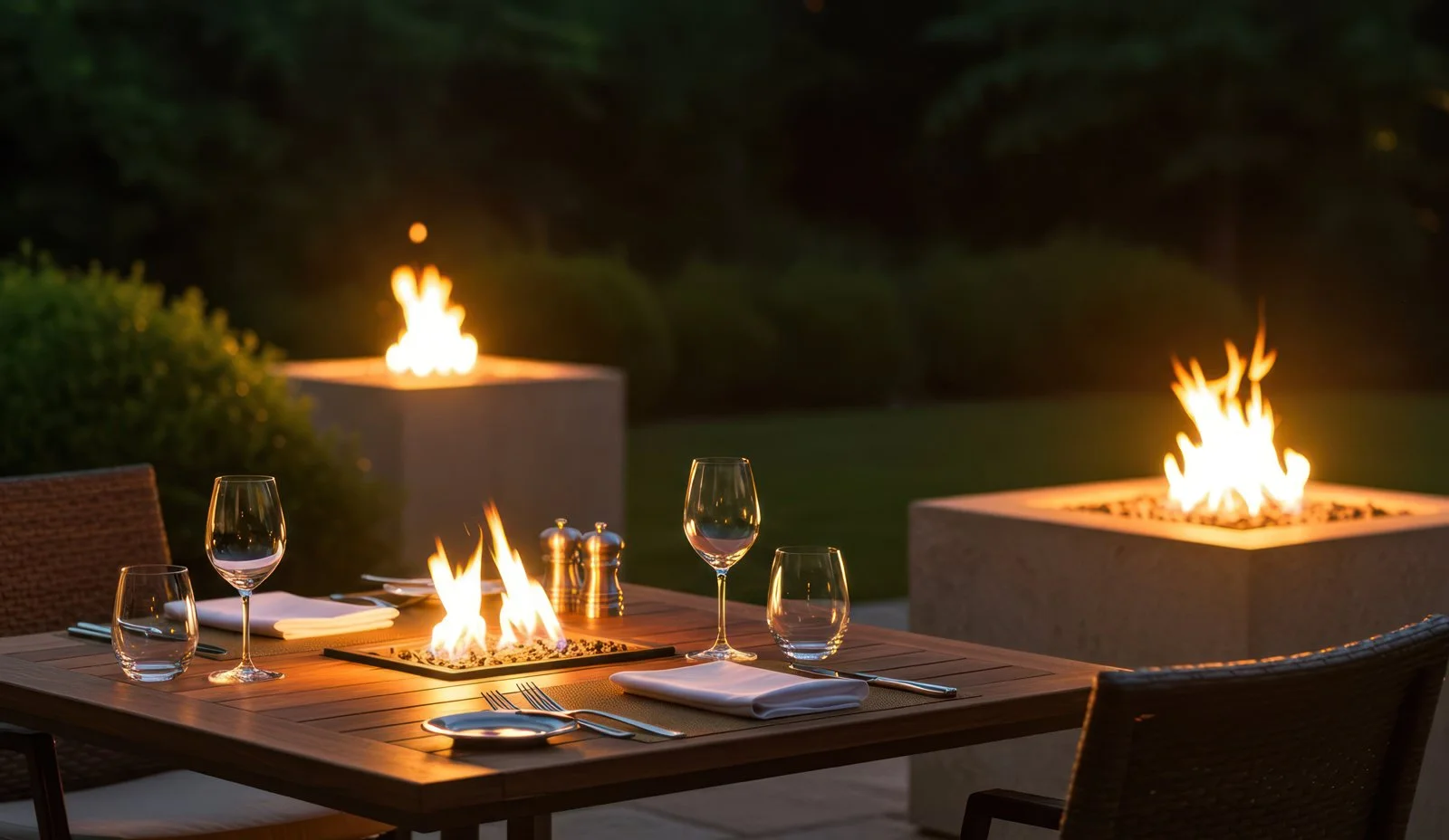
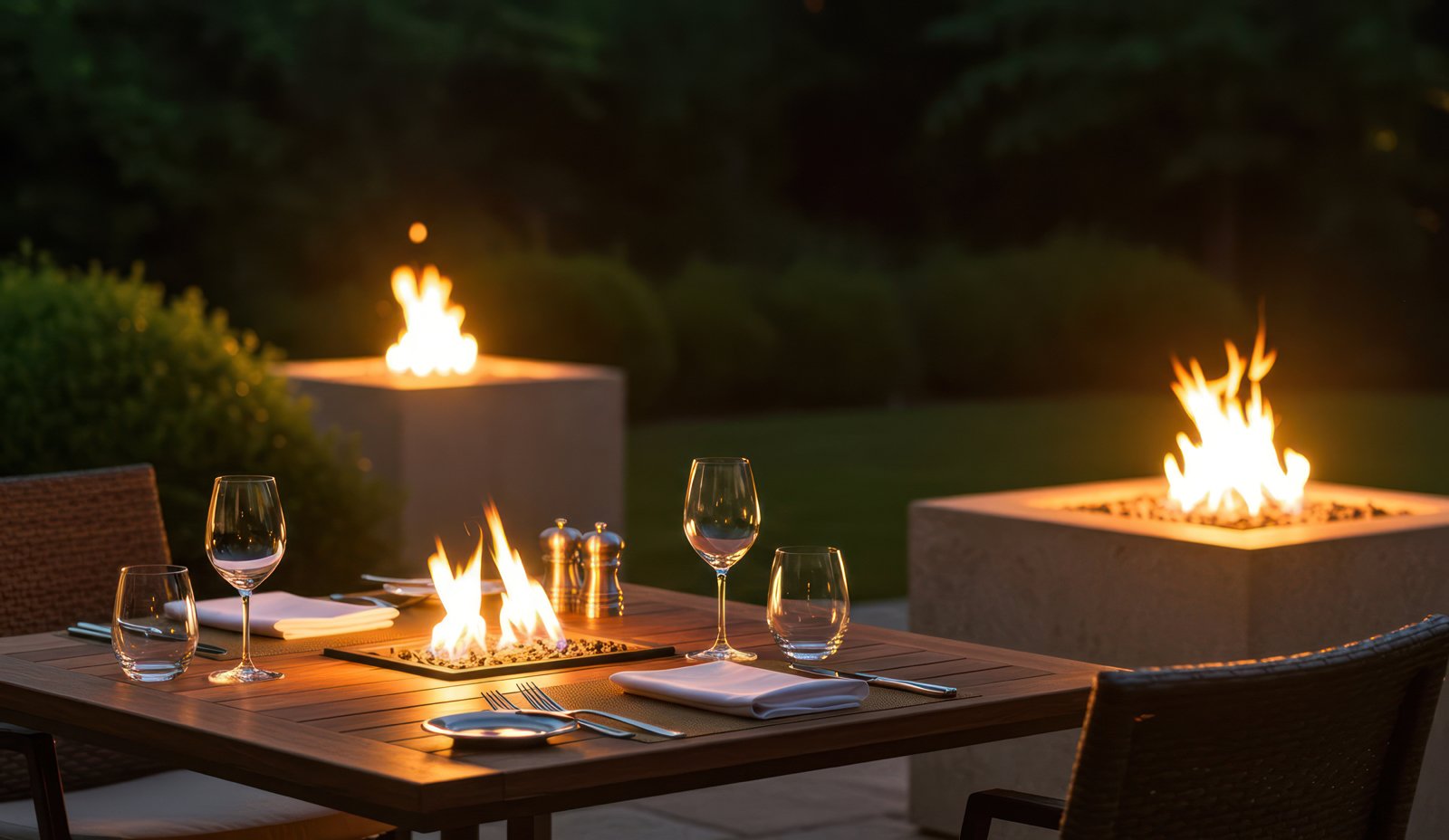
Freestanding Fire Pit Dining Table
As the name implies, these fire pit tables are typically used as a dining table with the fire feature located in the center of the table. They are typically round or square in shape with a single burner.
Depending on the size of the table, the flame bed is usually small or medium in size and the small enough to allow four people to enjoy a meal without getting singed from the flames.
We usually suggest that you keep the fire feature simple and elegant so as not to overwhelm the dining experience. A base layer of 1/4 inch crushed fire glass accented with larger molded or reflective fire glass pieces is usually all you need. But for a more earthy you can also consider fire stones as accent pieces.
Chat-Height/Lounge Fire Pit Table:
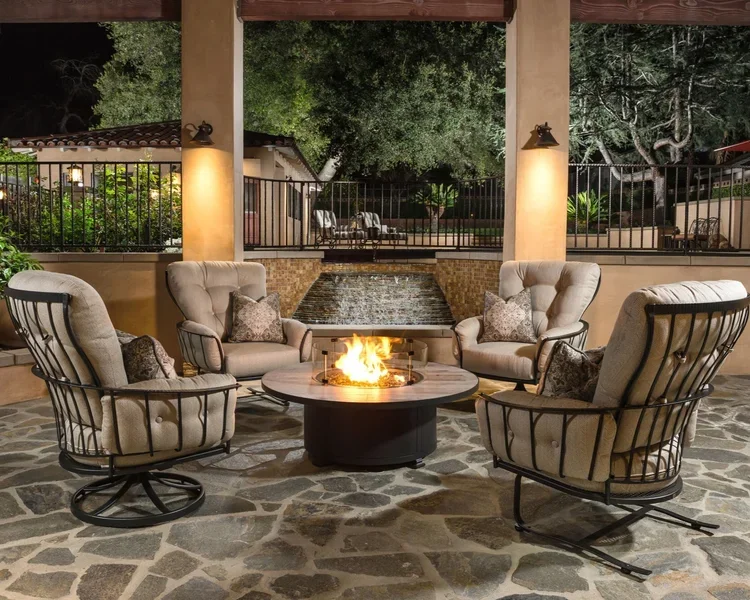
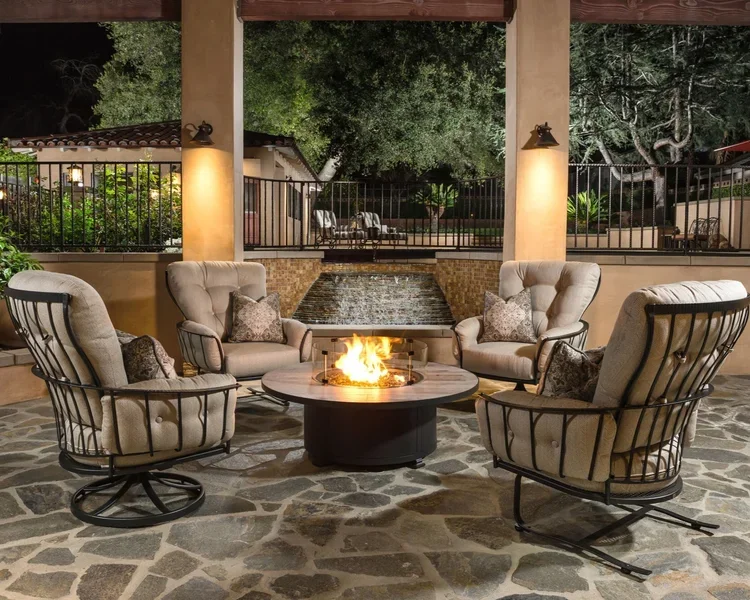
These Fire Pit Tables are very similar to the dining tables shown above in both size and shape. However, unlike the dining tables, these tables are typically lower than a dining table with a larger flame feature in the center. Functionally, they are typically designed to allow the user to set a drink on the table while enjoying the warmth of a cozy fire.
The larger flame bed allows your imagination to run free. Any size fire glass will work with these tables, and they look great when you layer crushed fire glass with larger molded fire glass as accents. You may even want to consider one of our mixed fire glass products.
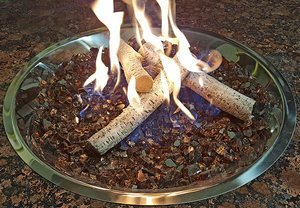
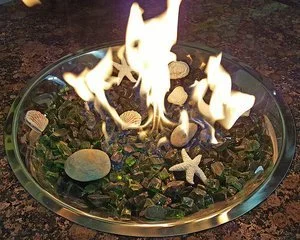
With the extra space, you can also add fire stones and twig sets as additional accent pieces, or if you're in a beachy mood, consider one of our beach-inspired mixed media kits with non-combustible starfish and shells.
Linear Fire Fire Pit Table:
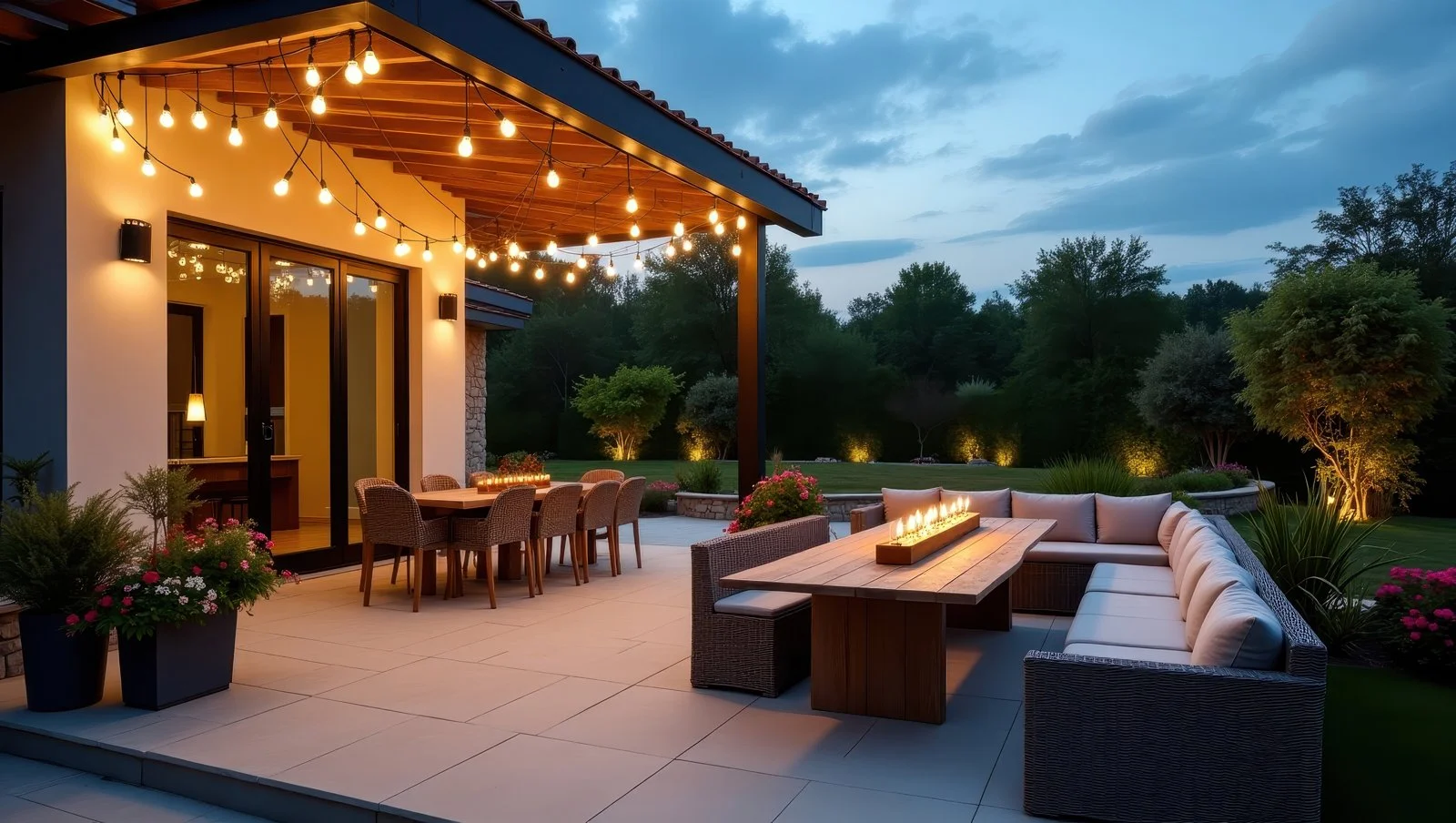
These types of fire pit tables are typically longer dining tables with a very narrow flame feature or features in the center of the table. Functionally, they are intended to seat six or more diners while allowing your guests to eat comfortably without getting singed.
Given the long, narrow flame bed, these tables tend to look best when paired with larger molded fire glass, or for a more dramatic effect, you can also consider one of our mixed fire glass products, like our kolidascope mix
Built-In/Kitchen Island: Integrated Counter Fire Pit Table
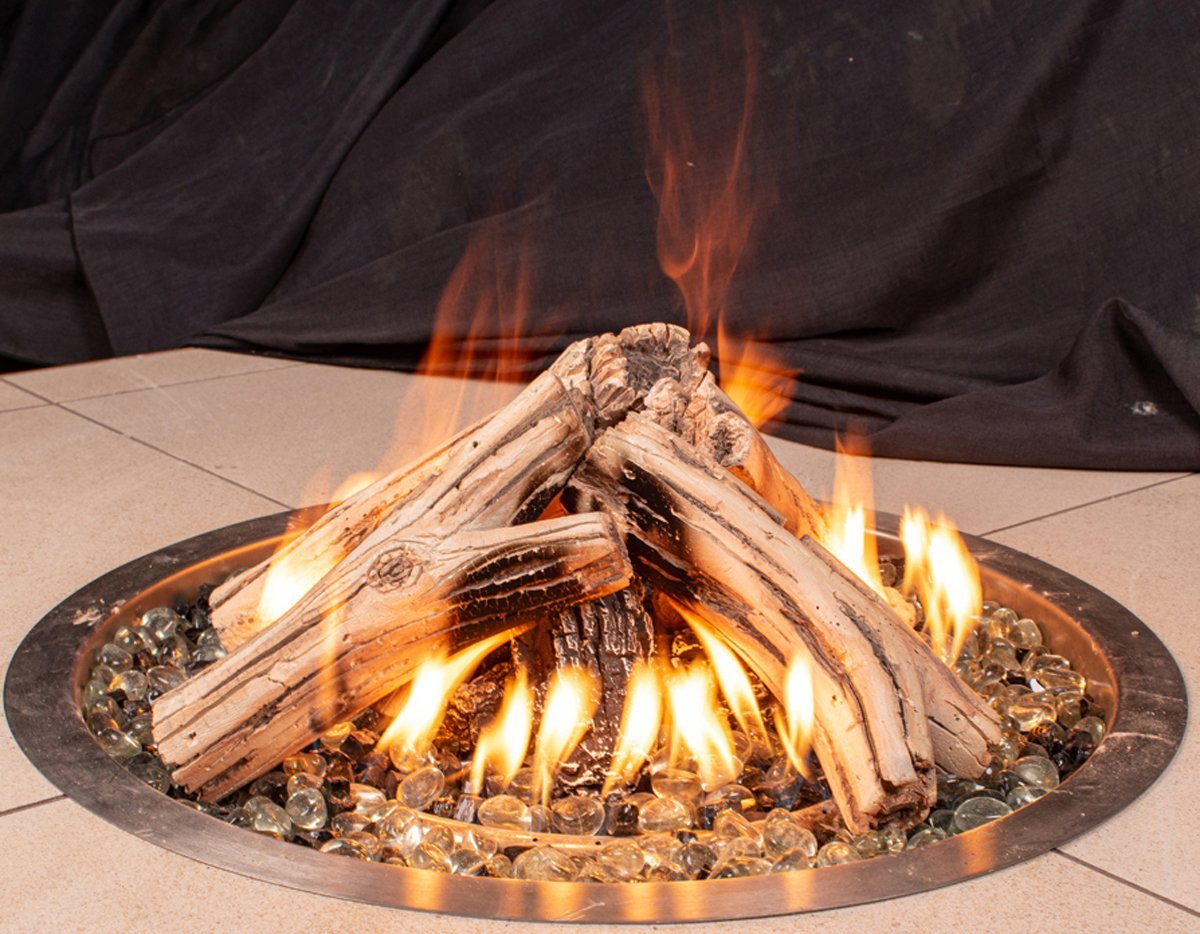
These Fire Pit Tables are normally integrated into a marble or granite countertop in an outdoor kitchen island. Functionally, these types of fire pit tables add interest and warmth while you are cooking for your guests.
These fire features are usually either round or square in shape, and are smaller in size than the other types of fire tables listed above.
That being said, since these fire features are not as space sensitive as the other fire pit tables listed above, they present a unique opportunity to let your imagination run wild since they work equally well when paired with all types of fire glass, twig sets, fire stones, and even beach-inspired mixed media kits. spread them out for a spectacular horizontal display or stack them up for a vertical campfire look.
Fire Bowls / Sculptural:
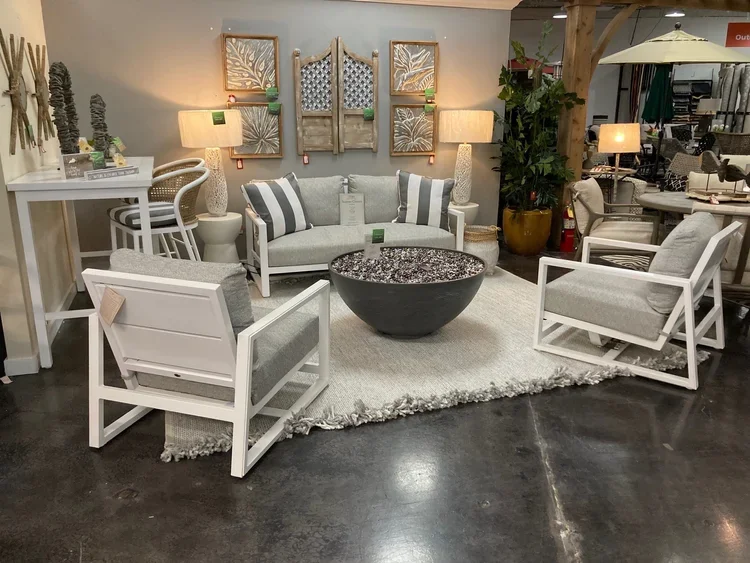
Although not technically fire pit tables, sculpted fire bowls are the closest thing that you can get to a fire pit on your patio or deck without major construction. These fire features are exactly what the name implies. Designed to provide your quest with warmth and comfort on a chilly night. They also make a dazzling display and create a relaxing conversation area.
The focused flame bed, viewable from all angles, is usually paired with a base layer of 1/4 or 1/2 inch crushed fire glass with contrasting colors of larger molded or reflective fire glass as an accent. A true decorative centerpiece for your deck or patio
More Fire Pit Table Design Ideas

Choosing the Right Fire Media for Your Table
Now that you have identified your specific fire table type, here’s a helpful and detailed guide on how to select the perfect media combination for it. Your goal should be to carefully match the proportions, style, and overall function of the media to ensure both safety and aesthetic appeal. There are no hard and fast rules here, but taking the time to choose the right materials will enhance the look and performance of your fire table.
Fire Glass (¼", ½", ¾", and 1")
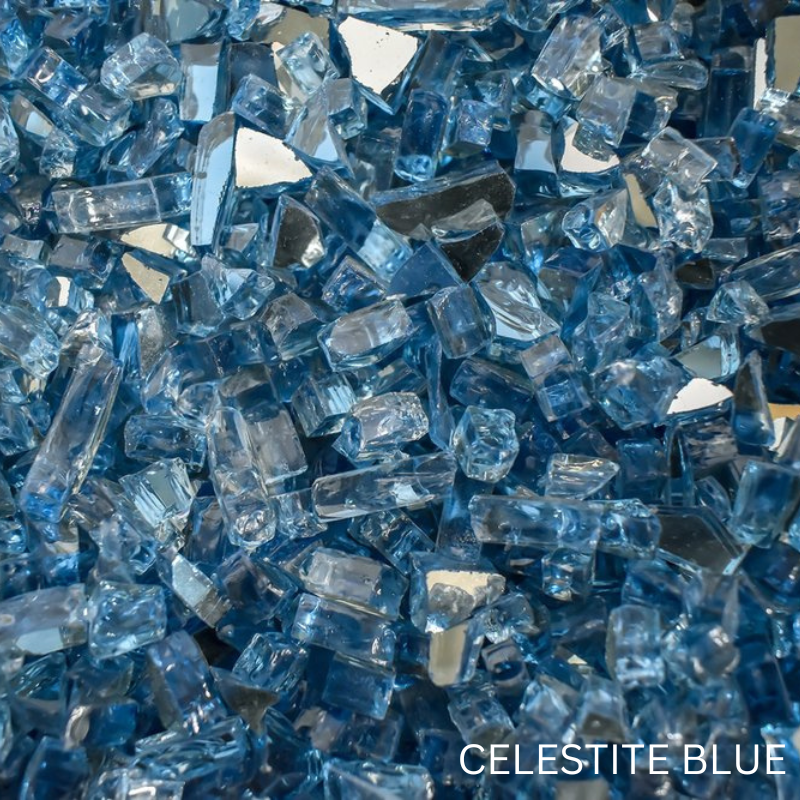
Fire glass is made from tempered, noncombustible glass that reflects and refracts light within the flame. It comes in multiple sizes, colors, shapes, and finish styles, allowing endless customization.
Crushed Fire Glass
¼" size: A great base layer for fire pit tables with smaller fire features. This size of fire glass works especially well with dining-height and built-in fire features on outdoor kitchen islands with their smaller flame beds
.
½" + ¾" sizes: Ideal as accents layered on top of a ¼" base to create color depth and sparkle. They also work well as base layers on larger fire features, typically found in fire bowls and chat height and linear fire pit tables
1" size: Usually used as accent pieces over a base layer of smaller-sized fire glass
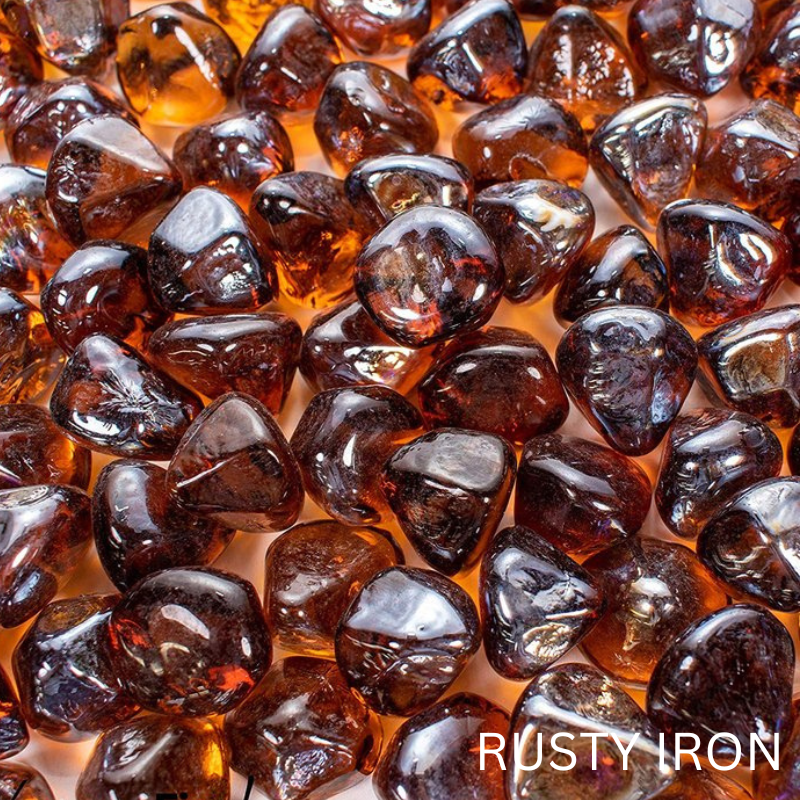
Molded Fire Glass
Our Molded Fire Glass Products come in several shapes, sizes, and colors. These products make great accent pieces over a crushed fire glass base, but they can also be used as a modern, contemporary display on the longer, narrower flame bed associated with linear fire pit tables.
Not Sure Which Fire Glass Products to Use?
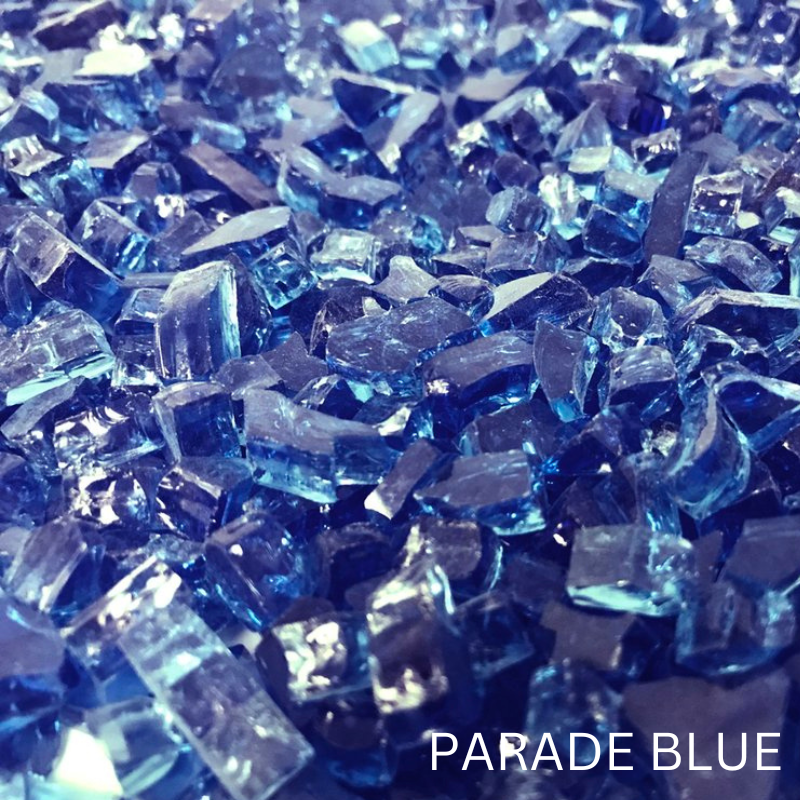
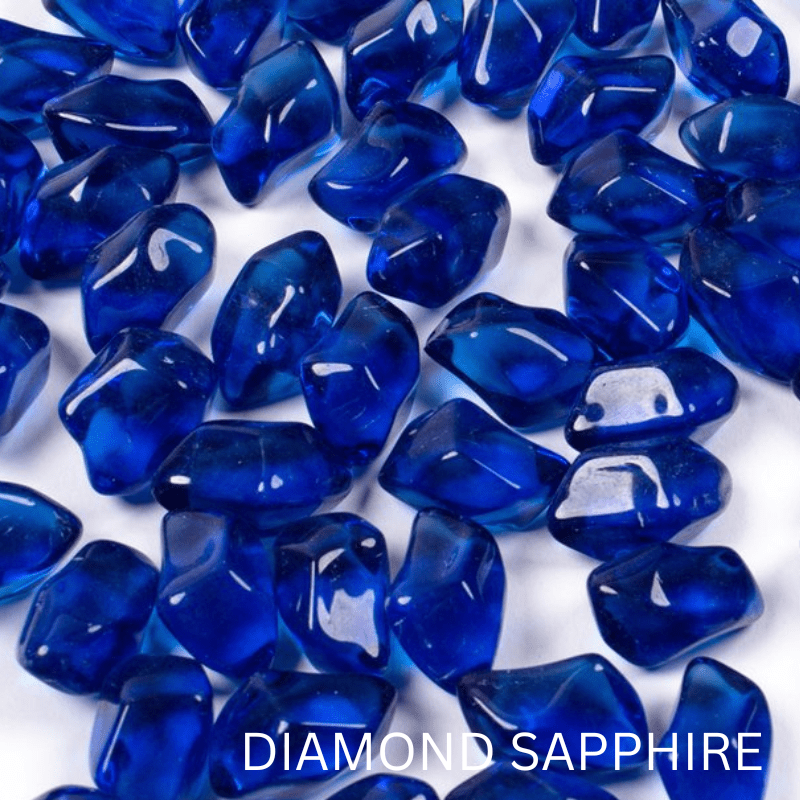
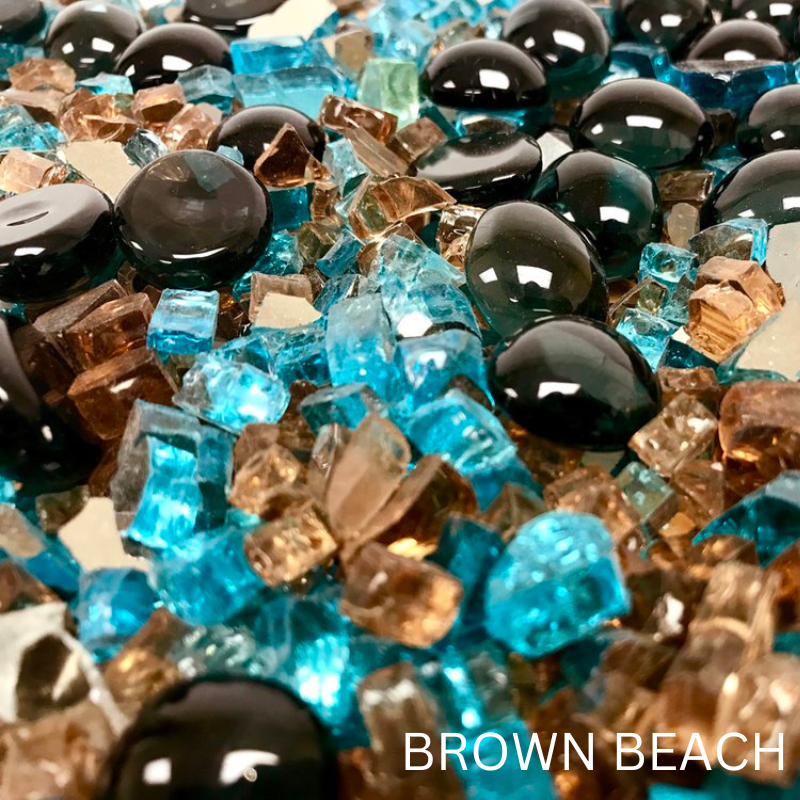
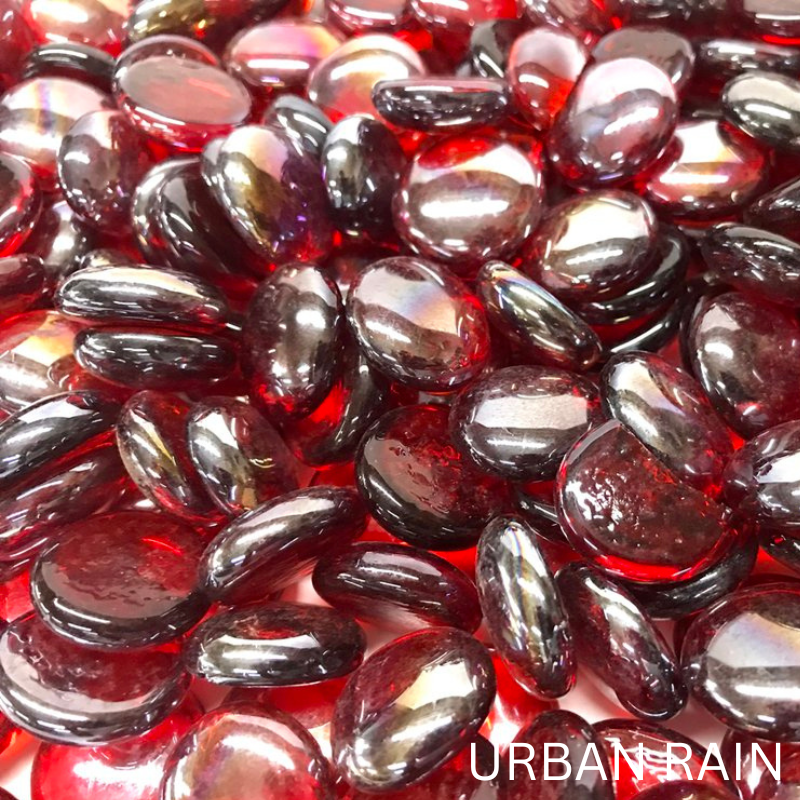
We also offer mixed fire glass products, pre-blended for a curated look with balanced color and size variation. These products are like a fire pit table makeover in a box
Fire Stones & Fiber Balls
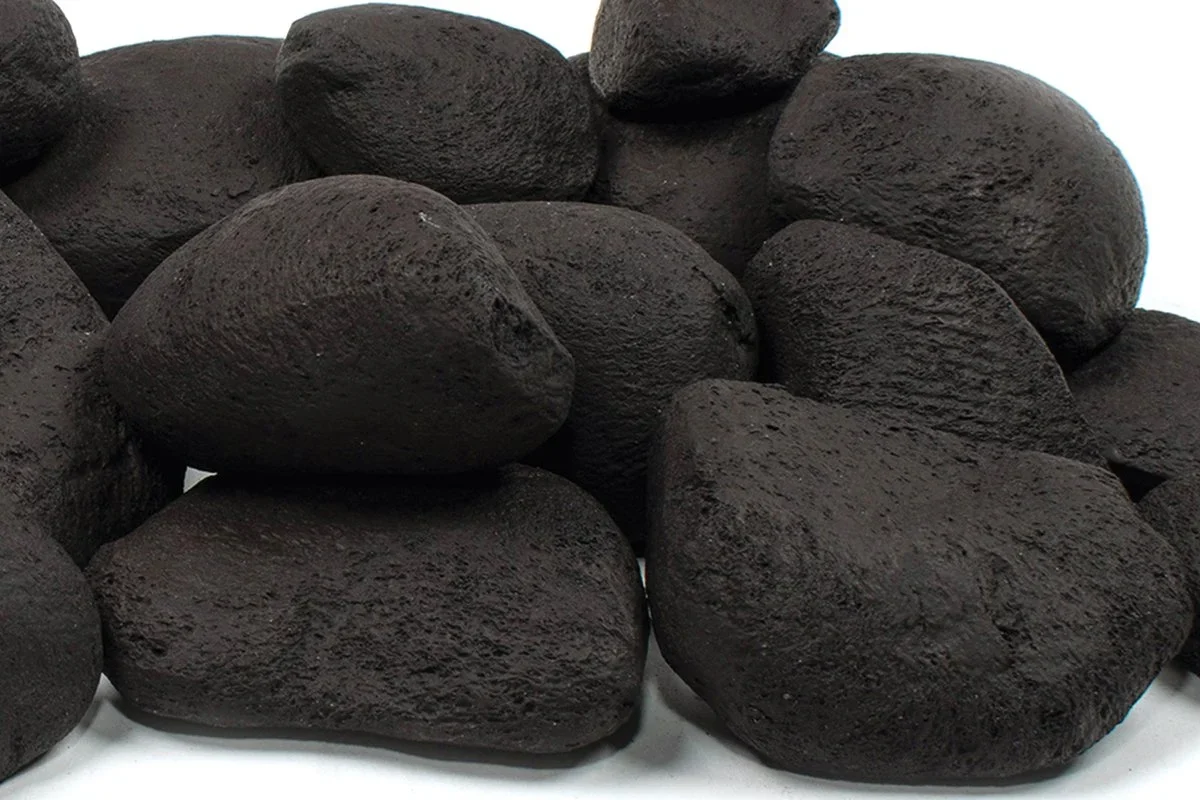
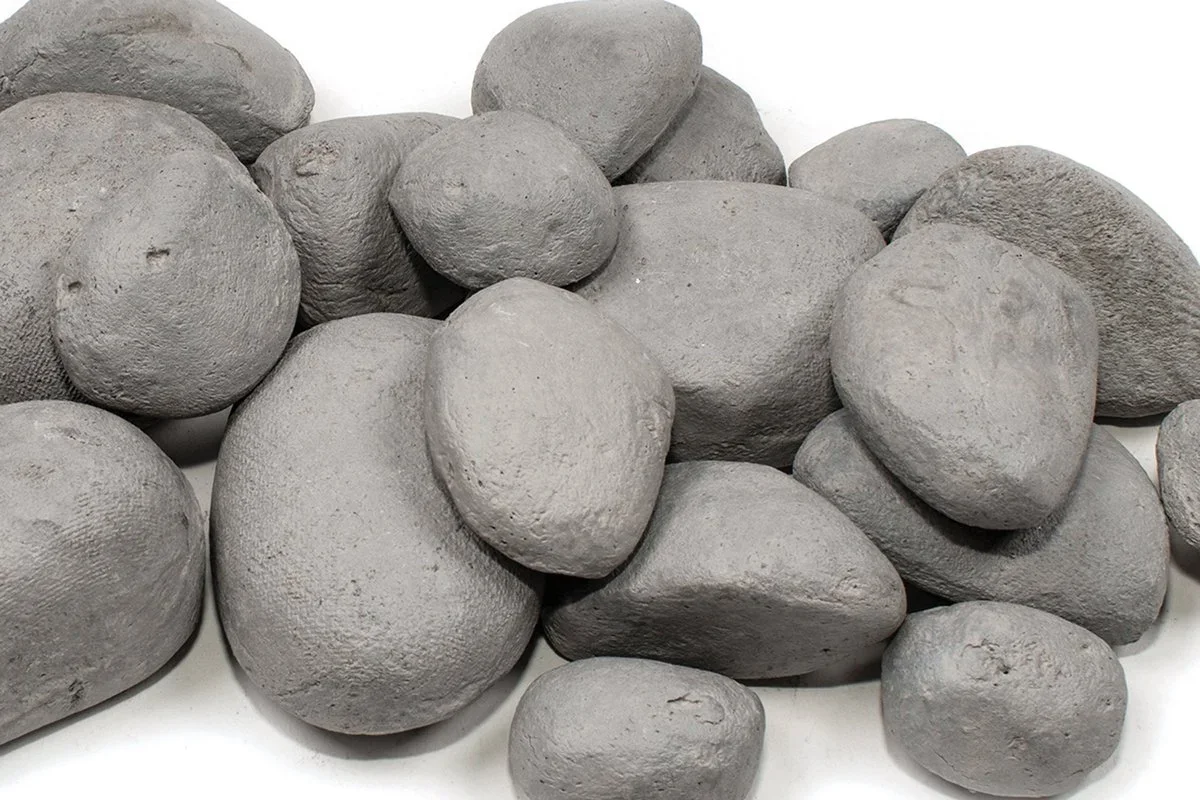
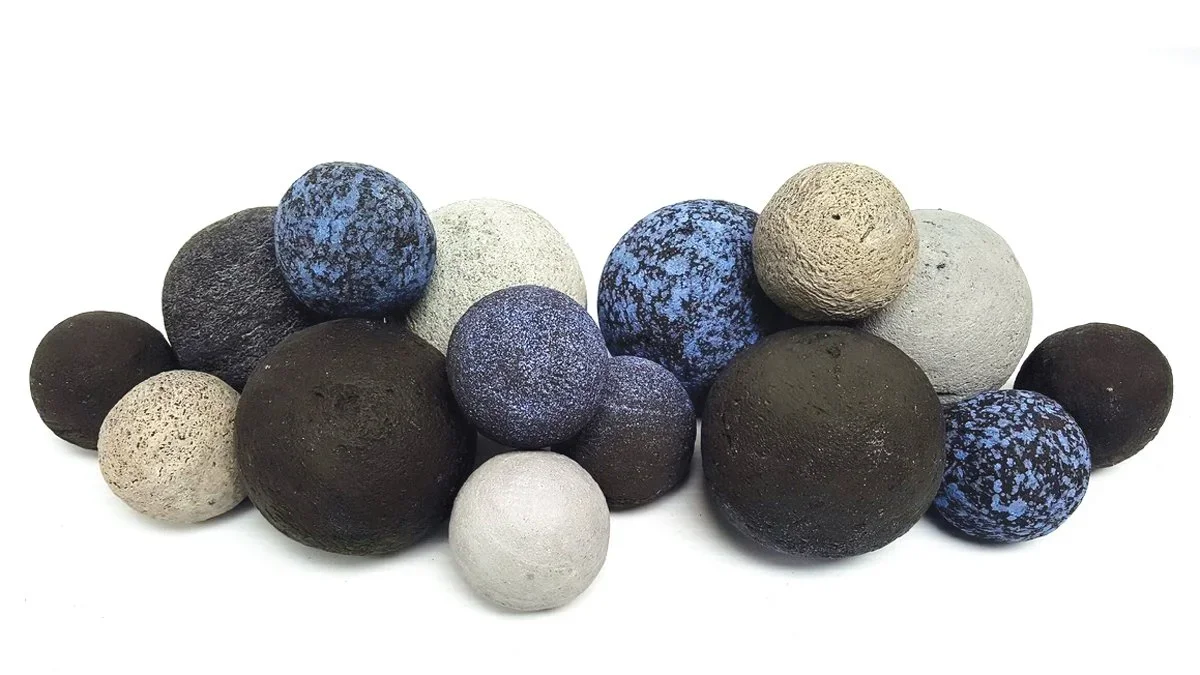
Both are made of our noncombustible BurnCrete™ material, designed to withstand extreme heat and provide natural or modern sculptural shapes.
Fire Stones: Organic shapes that mimic river stones. Best for modern or natural-inspired fire tables.
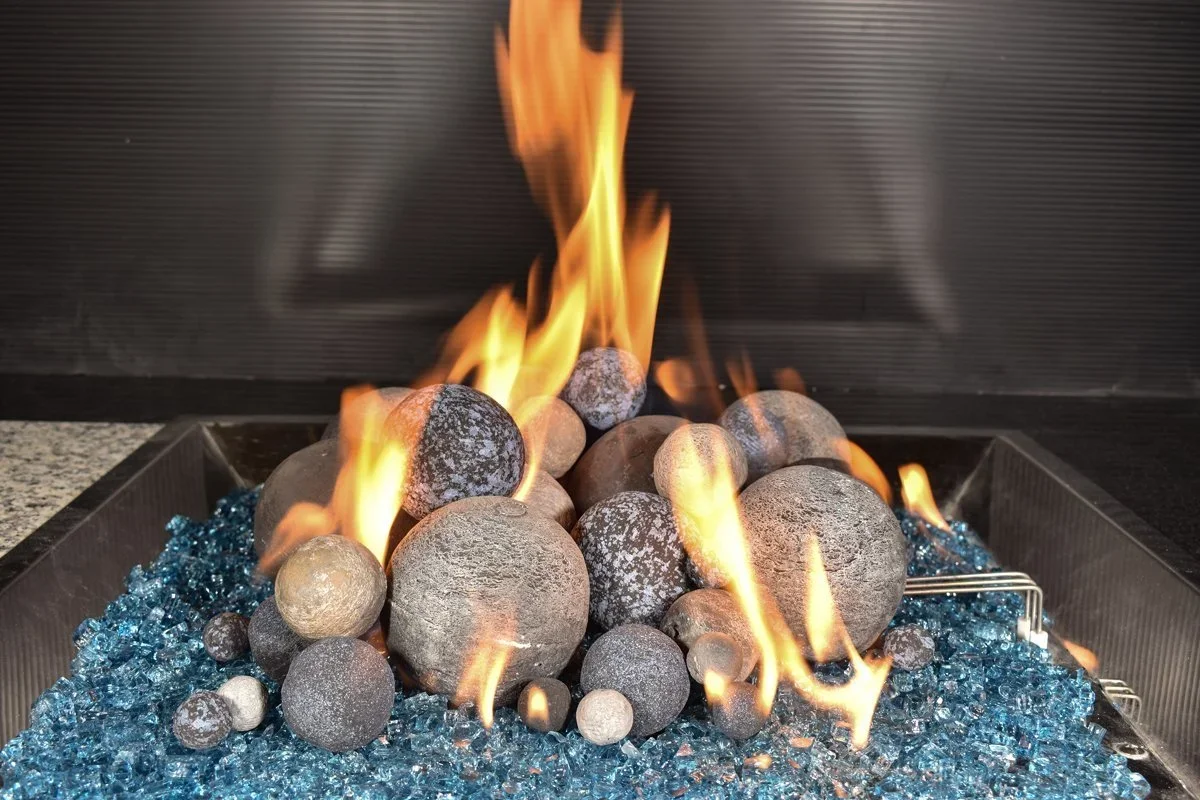
Fiber Balls: Smooth, round, minimalistic spheres that come in several sizes. Designers often use them alone in linear fire tables for a European, gallery-style look.
Placement rule:
Place fire stones or fiber balls on top of your fire glass base, spaced naturally.
Do not cover them with fire glass or embers.
Twigs
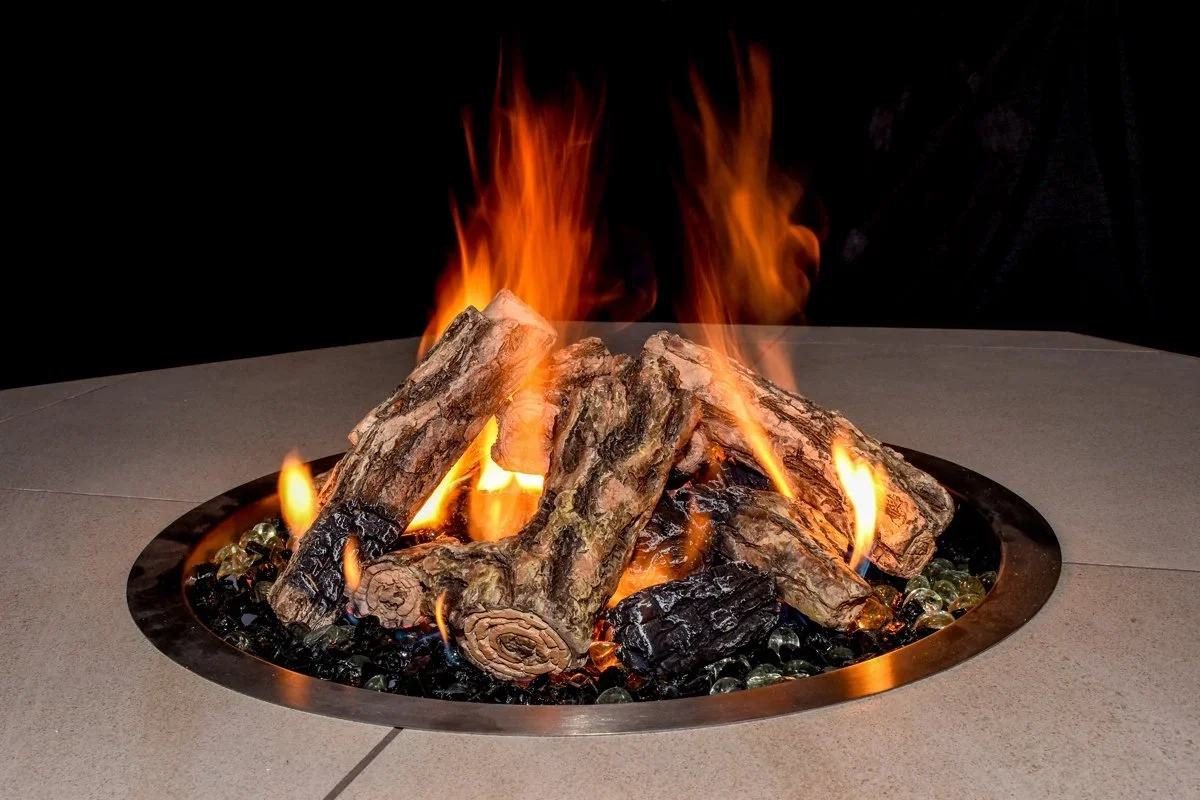
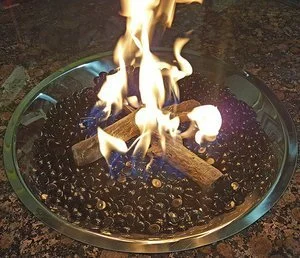
Twig accents add realism and depth to your fire pit table display. They are most commonly used in chat height and built-in fire pit tables to create the look and feel of a campfire
Beach-Inspired Mixes
Like our twig products, our beach-inspired mixes are typically used in chat height and built-in fire pit tables, but instead of a campfire, they create the feel of a bonfire at the beach.
Layering & Styling Tips
A well-designed fire pit table thoughtfully uses layering techniques to create a flame that looks both intentional and visually complete. This careful and deliberate arrangement of materials and flame elements significantly enhances the overall aesthetic appeal, making the fire pit a stunning and captivating focal point in any outdoor space, perfect for gatherings or quiet evenings.
Base Layer
Use ¼" fire glass for the most stable and even foundation, ensuring a consistent and balanced surface that not only enhances the overall appearance but also improves the functionality of your fireplace or fire pit. This size provides excellent coverage and stability, helping to maintain an attractive and efficient flame display.
Accent Layer
Use larger fire glass pieces or sculptural elements sparingly and with clear intention to create striking focal points that draw the eye without overwhelming the overall design. By applying this careful approach, you ensure that your fireplace or fire pit table maintains a balanced, tasteful, and visually appealing appearance that complements the surrounding space.
Color Strategy
Warm neutrals = cozy and natural
Blues/greens = coastal and tranquil
Blacks/silvers = modern and dramatic
Metallics = luxury/high-end
Shape Strategy
Round elements soften the design
Mixed sizes add dimensional depth
A single cluster of stones creates a focal point
Inspiration by Table Type
Here’s a straightforward and easy-to-follow guide on how to effectively match the design style to your specific table format:
Freestanding Round/Square Tables
Mixed fire glass blends create the richest look
Add a small group of fire stones for sculptural interest
Color blends can echo patio cushions or seasonal décor
Chat-Height Tables
Use warm tones and layered blends to create intimacy
Twigs around the perimeter add a natural look
Linear Tables
Minimalist designs work best
Fiber balls in symmetrical clusters = European modern
1" glass keeps the flame line clean and uninterrupted
Built-In Features
Keep accents understated to complement the architecture
Avoid overly bright colors unless part of a purposeful design theme
Fire Pit Table Media Summery
Fire Pit Table Types & Recommended Media
| Table Type | Height | Flame Bed | Fire Glass Base | Fire Glass Accent | Accents | Design Considerations |
|---|---|---|---|---|---|---|
| Freestanding (Dining Height) | Dining | Medium | 1/4 inch layer | 1/2–3/4 inch, mixed fire glass | Fire stones, fiber balls, shaped embers | Round or square, central burner, layered for depth |
| Chat-Height / Lounge | Lower | Wide | 1/4 inch layer | 1/2–3/4 inch, mixed fire glass | Fire stones, fiber balls along edges | Broad visual impact, seated eye-level view |
| Linear (Dining Height) | Dining | Long / Narrow | 3/4–1 inch pieces | Minimal; low-profile | Sparing fire stones / fiber balls | Keep media low for visibility, modern styling |
| Built-In / Kitchen Island | Counter | Compact | 3/4–1 inch pieces | Reflective / multi-color | Small fire stones / fiber balls | Functional integration, careful layering around burner |
| Fire Bowls / Sculptural | Varies | Central / Focused | 3/4–1 inch, mixed sizes | Optional for texture | Fiber balls, shaped embers, themed media | Viewable from all angles, maintain burner clearance |
Safety Considerations and Tips
Always follow your manufacturer’s guidelines or operator manual.
Never block burner ports.
Base depth matters: avoid overly deep media layers; follow manufacturer depth recommendations
Test your layout for stability before lighting.
Always make sure your media is cool before readjusting
Don’t be afraid to experiment and adjust until you get the exact look you're going for
Proper media placement ensures both safety and visual impact.
Frequently Asked Questions
Q: How deep should my fire glass base be?
A: Typically 1/4" for small pieces on freestanding/chat-height tables. For linear or built-ins, use 3/4–1" pieces spread shallowly. Always check your burner manual.
Q: Can I mix fiber balls and fire glass?
A: Yes — fiber balls add height and shape when used sparingly over a fire glass base.
Q: Will mixing colors of fire glass hurt performance?
A: No — mixing colors is purely aesthetic. Use tempered, noncombustible glass and follow depth/clearance rules.